Overseas Expansion Support Program
Two Brands Take Part in "CENTRESTAGE," a Trade Show in Hong Kong
PLUG IN│Editorial Office
UPLOADED 11 NOVEMBER, 2023
Held in person for the first time in four years
Under the theme "Radiant Wellness," 210 brands from 18 countries and regions exhibited from September 6–9, drawing over 7,700 visitors from 78 countries and regions. Hosted by the Hong Kong Trade Development Council (HKTDC).
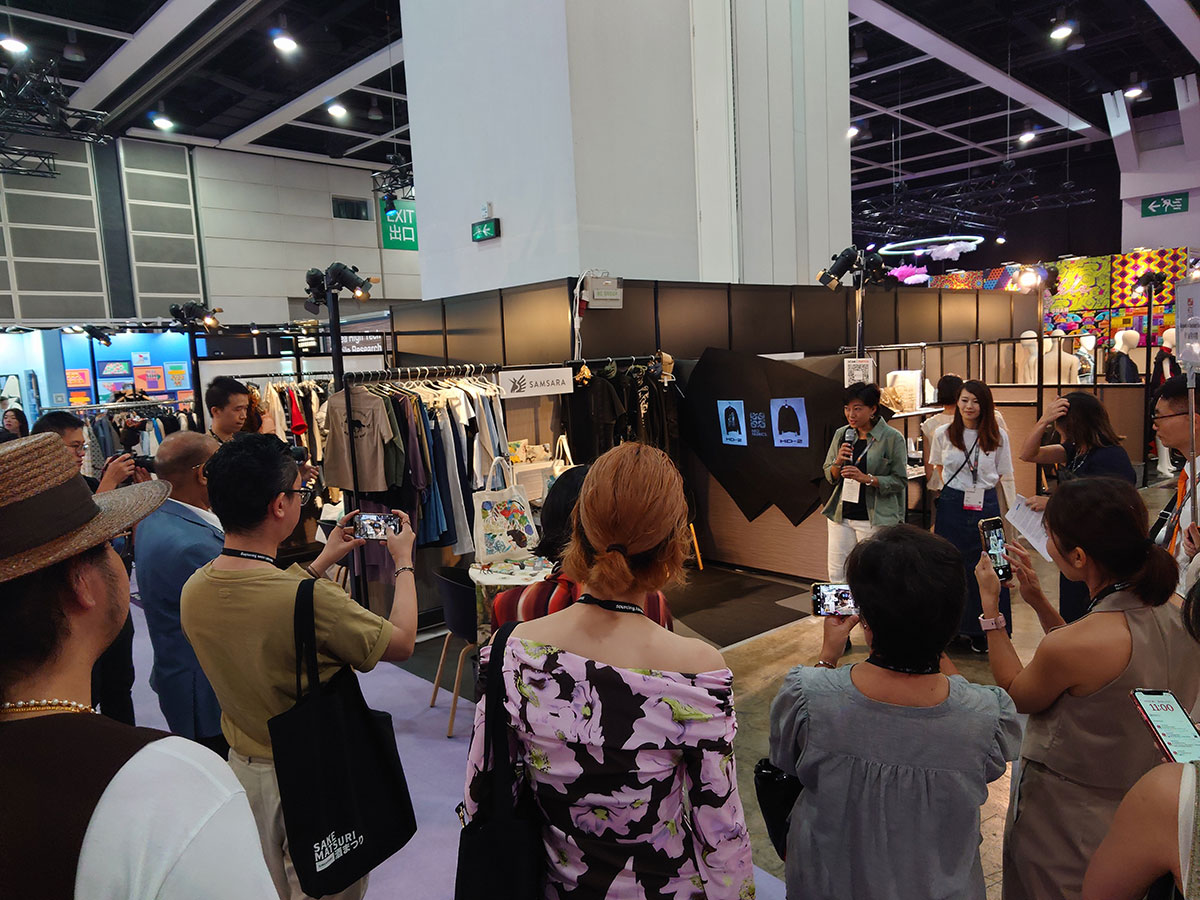
This year's focus was on digital fashion and sustainability. Tokyo-based "FETICO," led by Emi Funayama, took the stage at the opening gala show. A "Fashion Hong Kong Runway Show" featuring four brands by up-and-coming Hong Kong design artists was also held. On the second day, a talk show featuring influencer Yu Masui, Maiko Shibata of Ristea, and designer Ms. Funayama discussed trends and future prospects for Asian brands — one of over 30 shows and events held during the run of the show.
What did you focus on for this exhibit?
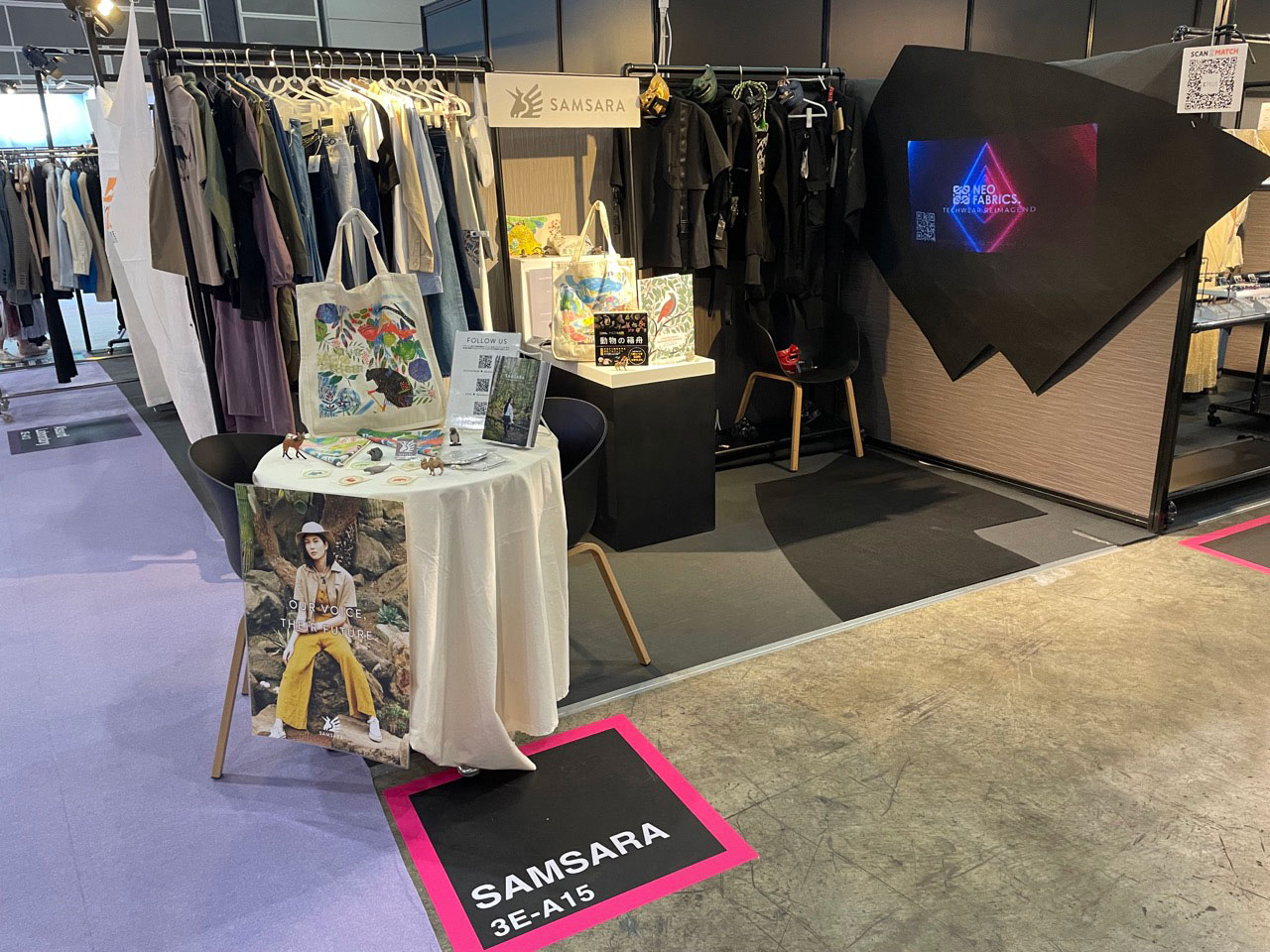
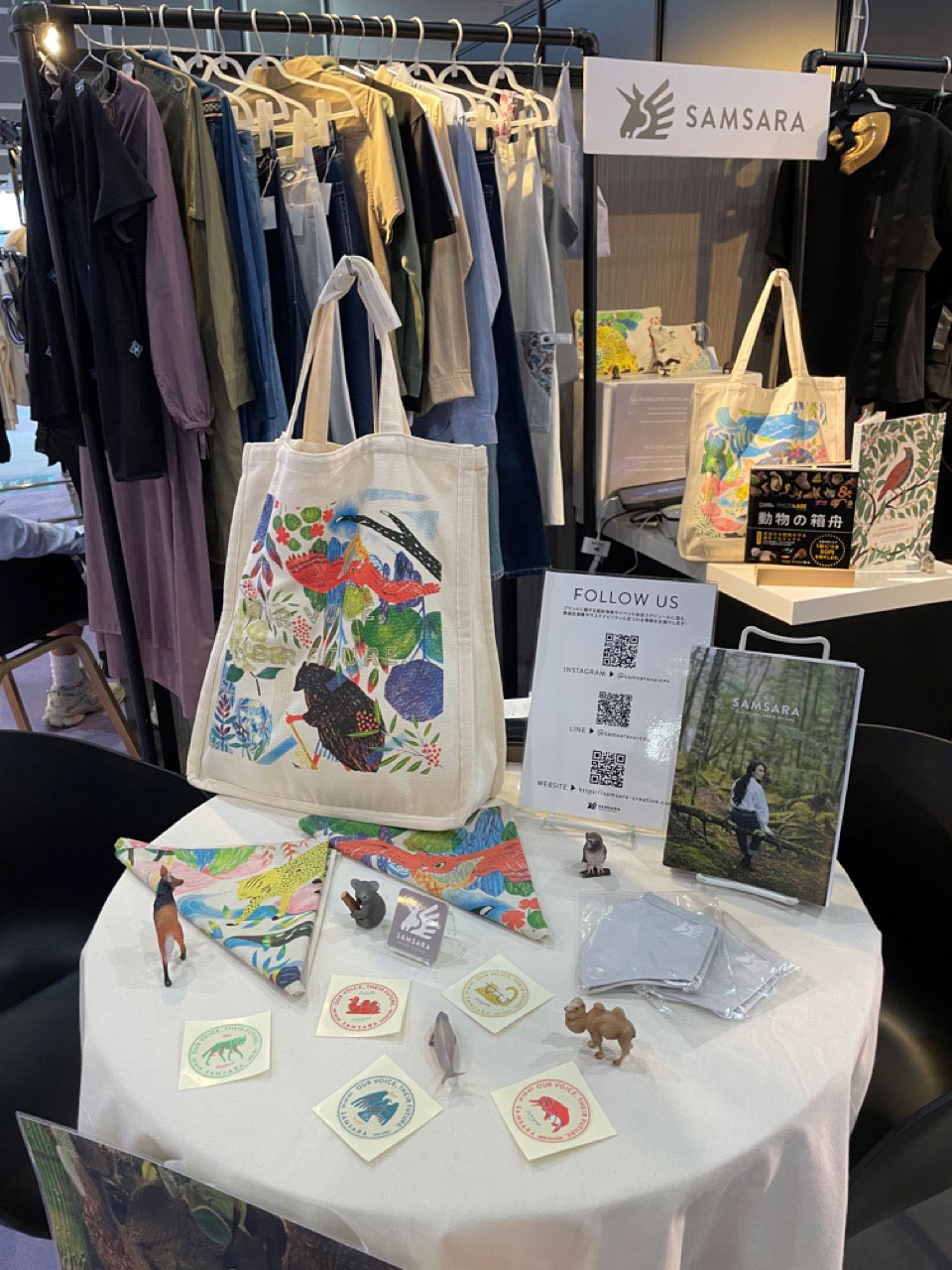
Since this was the debut of "SAMSARA," a sustainable brand working to save endangered animals, and "NEO FABRICS," a new near-future, sci-fi ninja-style tech-wear brand, we spent a lot of time and effort building a booth that made our proposal clear. We experimented through trial and error, changing up the staging, including projecting video onto the clothing. On top of that, as a sustainable brand we reduced waste during setup and load-in, and it was a real point of pride for the team that we were able to achieve an upcycled display using other companies' discarded materials.
How did the business discussions go?
It turned out to be a truly fruitful show for us. We resonated with sustainability-forward customers from Europe, and our tech wear was well received by customers from China and the Nordic countries, with a lot of OEM and ODM inquiries — discussions that should lead somewhere going forward.
What did you notice about buyer reactions or local business customs?
What surprised us was that business-card culture wasn't really there. We often couldn't tell visitors' backgrounds or what they were looking for, which was a bit disorienting. Another surprise was how loose people were about time — booth opening and closing times varied a lot. We also hadn't expected so many visitors who only spoke Chinese or only Korean, but with people who resonated with the brand and were genuinely interested in the products, we were able to have real, in-depth conversations. Even including people who took a quick look and moved on, it was valuable to get such direct, honest reactions.
What are your plans for expanding overseas going forward?
Our team members are used to working internationally, have no language barrier, and already have a lot of overseas connections, so we see this as a real opportunity. As a first step, we're planning to launch a collaboration product with an international designer we met at this show, and to build out that project further. Going forward, we plan to keep growing our network of overseas buyers and expanding our retail partners, while also working in parallel on multilingual support for our site and our overseas shipping setup.
What did you focus on for this exhibit?
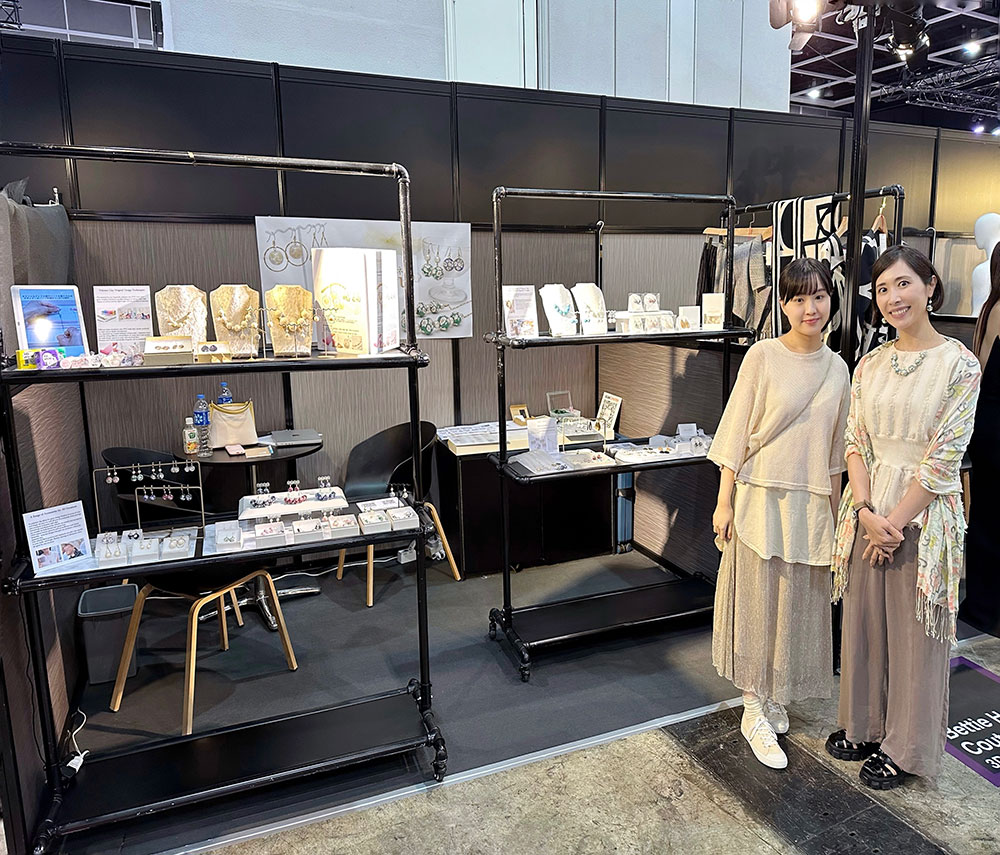
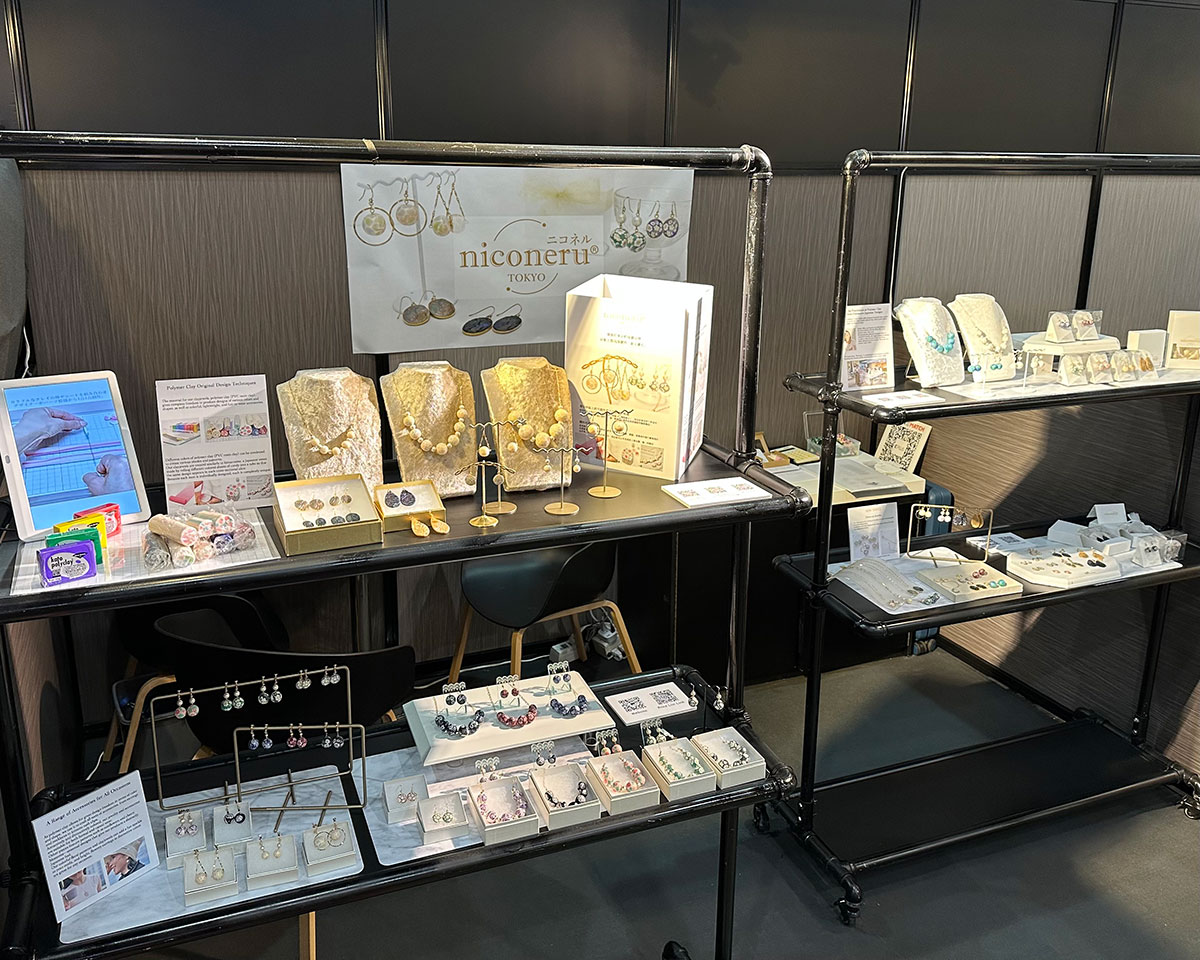
Since this was our first export venture, we prepared market research materials and regulatory documentation, and beyond our regular staples, we showcased the brand with new pieces never before shown in Japan. Assuming Hong Kong would function as an Asian hub drawing buyers from around the world, we prepared POP displays and materials in English, Traditional Chinese, Simplified Chinese, and Japanese, and kept Cantonese- and English-speaking interpreters on-site throughout. We also displayed sample packaging so visitors could picture how the products would look sold in stores or online. Many visitors showed interest in the actual polymer clay canes we displayed — patterned polymer clay rods whose cross-sections form our designs — to help them understand the core material behind our pattern-making.
How did the business discussions and deals go?
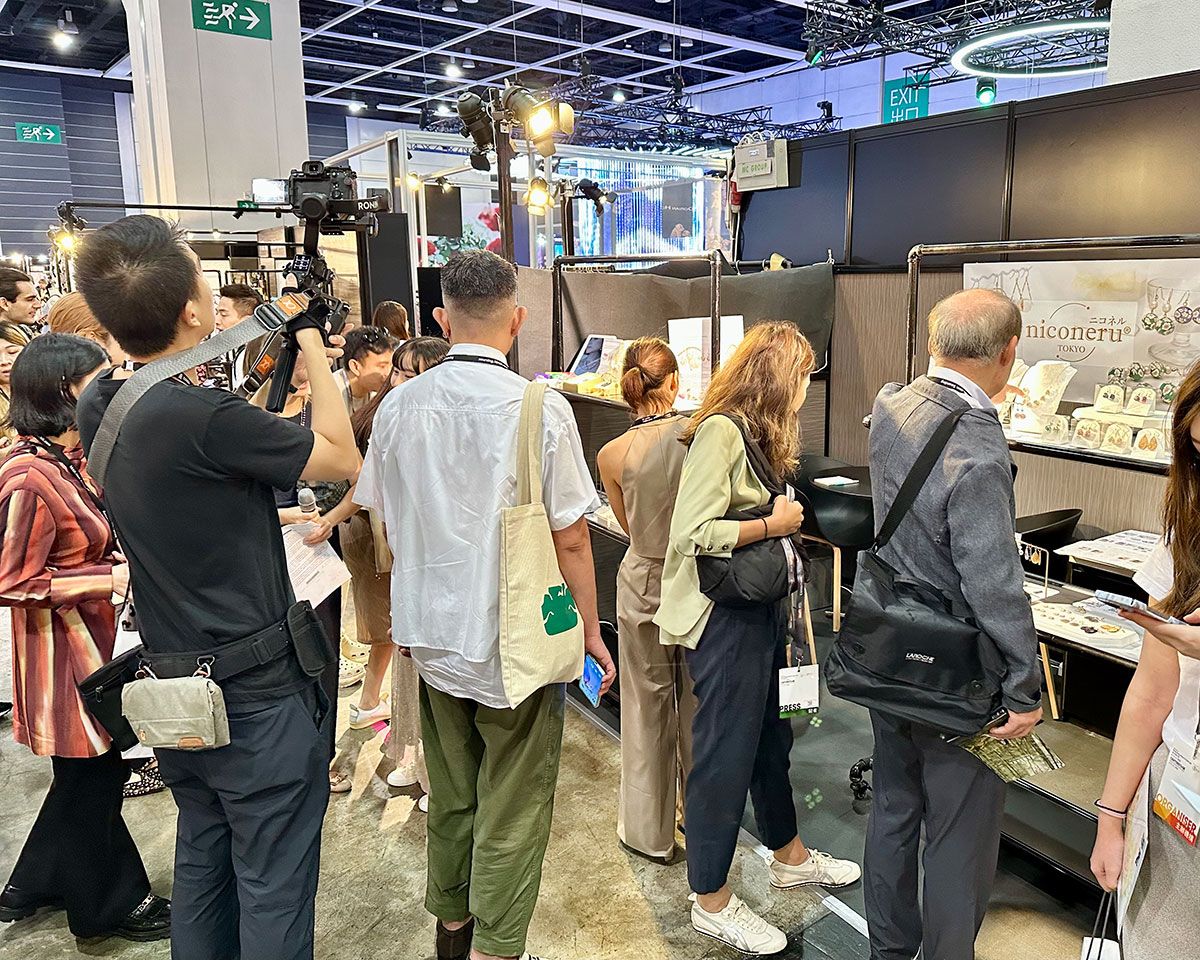
Polymer clay is a popular accessory material in the West, but it's still fairly rare in Japan, and it's popular for being colorful, lightweight, and fashion-forward. At this show too, buyers from Hong Kong, mainland China, and other countries visited our booth drawn by the colorful, distinctively Japanese designs, and we were well received — even a TV crew came by, and we stayed busy all day. We didn't close any deals on the spot, but negotiations are currently underway with e-commerce platforms, boutiques, and select shops.
What did you notice about buyer reactions or local business customs?
With the tailwind of the weak yen, buyer response was very positive. That said, it differed slightly from the best-selling trends we'd seen through live commerce in mainland China — we felt that in Hong Kong, designs closer to Japanese taste were preferred. As for a difference in business customs, quite a few people didn't carry business cards.
What's next for your overseas push?
We made some great connections this time and felt real potential, so we'd like to keep growing our wholesale partners not just in Hong Kong but in mainland China too.